
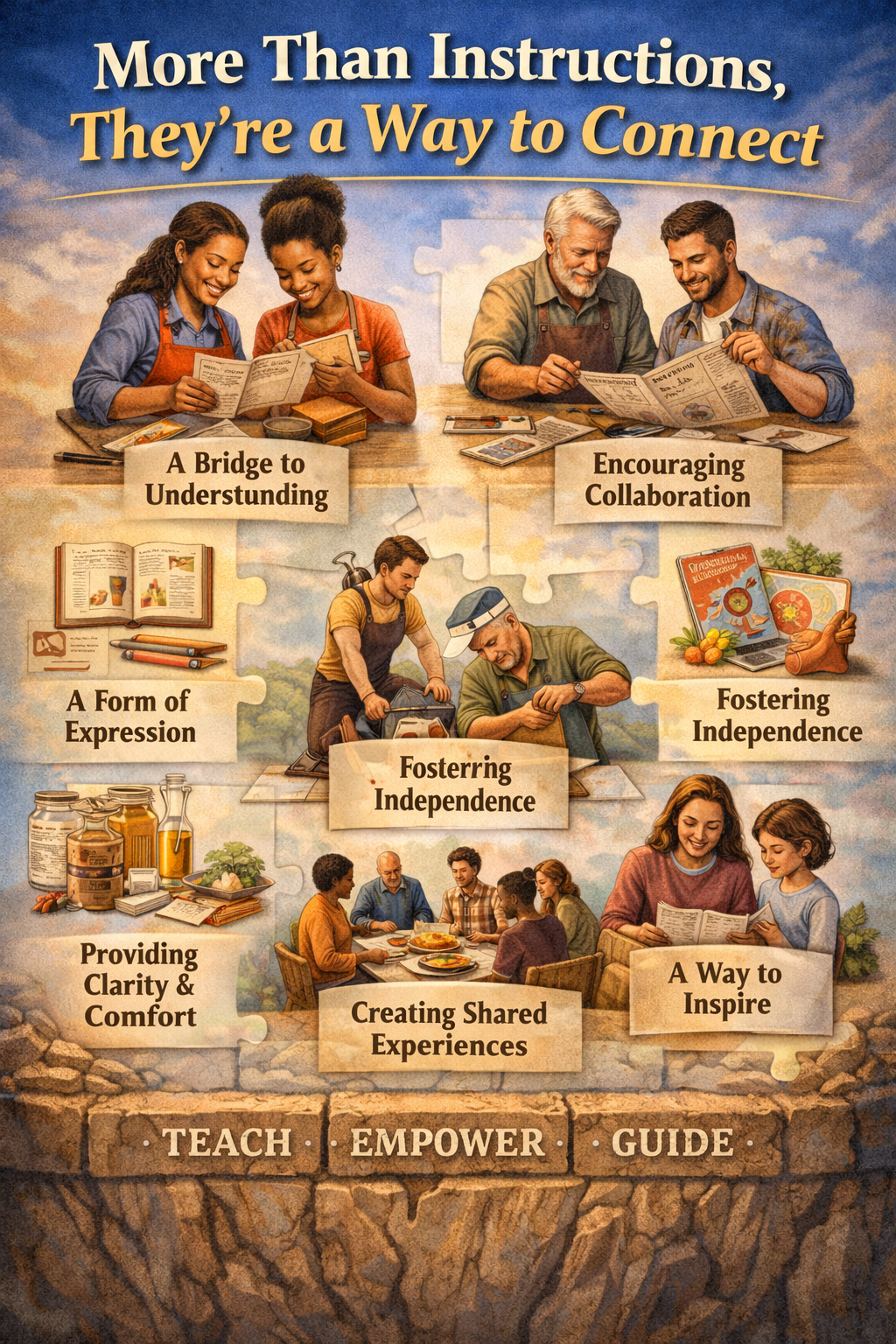
A recipe might look simple on paper.
A list of ingredients.
A few steps.
An estimated cooking time.
But in reality, recipes are much more than instructions. They carry tradition, culture, memory, and creativity. They turn basic ingredients into something meaningful.
Whether you’re cooking for yourself, your family, or guests, recipes shape everyday life in quiet but powerful ways.
Let’s explore why recipes matter and how to make the most of them.
Recipes Preserve Culture
Many recipes are passed down through generations.
A grandmother’s soup.
A family holiday dessert.
A regional dish that defines a country’s identity.
Food tells stories. Recipes keep those stories alive.
When you follow a traditional recipe, you’re not just cooking. You’re participating in history. You’re recreating flavors that may have existed for hundreds of years.
That’s powerful.
Recipes Build Confidence in the Kitchen
For beginners, cooking can feel intimidating.
How much salt is enough?
When is the chicken fully cooked?
What does “simmer” really mean?
Recipes provide structure.
They reduce uncertainty and guide you step by step.
As you follow more recipes, you start understanding patterns. You learn how ingredients interact. You gain confidence to adjust and experiment.
Eventually, you stop needing strict instructions.
That’s when cooking becomes creative instead of stressful.
Simple Recipes vs. Complex Recipes
Not all recipes are created equal.
Some require:
- 5 ingredients
- 20 minutes
- Basic kitchen tools
Others require:
- Specialty ingredients
- Long preparation
- Advanced techniques
Both have value.
Simple recipes are perfect for busy weekdays. They keep cooking realistic and sustainable.
Complex recipes are great for special occasions. They challenge your skills and often deliver deeper flavors.
The key is balance.
The Importance of Clear Instructions
A good recipe is clear and practical.
It should include:
- Precise measurements
- Step-by-step instructions
- Cooking times
- Temperature guidance
- Helpful tips
Poorly written recipes create frustration.
For example:
“Cook until done” is vague.
“Bake at 180°C (350°F) for 25–30 minutes until golden brown” is helpful.
Clarity makes cooking enjoyable.
Why Home Cooking Matters
With food delivery apps and restaurants everywhere, cooking at home may seem optional.
But home cooking offers unique benefits.
1. Health Control
When you cook at home, you control:
- Ingredients
- Portion sizes
- Oil and salt levels
- Quality of produce
That often leads to healthier meals.
2. Cost Savings
Eating out regularly adds up quickly.
Home-cooked meals are usually more budget-friendly, especially when cooking in batches.
3. Emotional Connection
Cooking for someone is a form of care.
Sharing a meal creates conversation and connection.
Even cooking alone can be calming. The rhythm of chopping, stirring, and tasting can feel grounding.
Turning a Recipe Into Your Own
Recipes are guides, not strict rules.
Once you’re comfortable, you can adjust:
- Add extra garlic
- Swap chicken for tofu
- Use different spices
- Reduce sugar
- Increase heat
Cooking becomes more enjoyable when you adapt recipes to your taste.
That’s how personal style develops in the kitchen.
Essential Recipe Categories Everyone Should Know
If you’re building basic cooking skills, focus on mastering a few core categories.
1. Breakfast Basics
- Scrambled eggs
- Oatmeal variations
- Smoothies
- Pancakes
2. Simple Lunches
- Salads
- Sandwiches
- Soups
3. Dinner Staples
- Pasta dishes
- Stir-fries
- Roasted vegetables
- Grilled proteins
4. One Signature Dessert
- Brownies
- Cookies
- Simple cake
Knowing these basics gives you flexibility for most situations.
The Rise of Digital Recipes
In the past, recipes lived in cookbooks and handwritten cards.
Now they live online.
Food blogs, cooking videos, and social media platforms have made recipes more accessible than ever.
Benefits of digital recipes:
- Instant access
- Video demonstrations
- User reviews
- Ingredient substitutions
- Step-by-step visuals
But there’s something special about handwritten recipes too. They feel personal.
Both formats have value.
Common Recipe Mistakes to Avoid
If you’re cooking regularly, watch out for these common errors:
- Not reading the full recipe before starting
- Skipping ingredient prep
- Ignoring oven temperature accuracy
- Overcrowding pans
- Under-seasoning food
Cooking improves when you slow down and follow steps carefully.
The Joy of Sharing Recipes
Recipes bring people together.
You share a dish at a gathering. Someone asks for the recipe. You send it. They make it for their family.
Food spreads through relationships.
In that way, recipes become part of social connection.
Final Thoughts
Recipes are more than cooking instructions.
They are tools for creativity.
They are pieces of culture.
They are moments of connection.
They are daily acts of care.
You don’t need to be a professional chef to enjoy cooking.
Start simple. Practice often. Adjust flavors. Learn from mistakes.
Over time, recipes stop feeling like rules.
They start feeling like possibilities.

